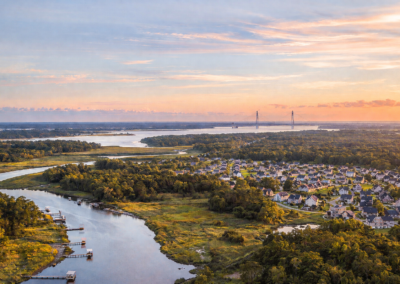
A house a few miles from the water in Mount Pleasant can look like a standard homeowners insurance risk on paper. In real life, it is anything but standard. Wind exposure, flood concerns, roof age, rebuilding costs, and even how close you are to marsh or tidal water can all change what you see when you start comparing mount pleasant homeowners insurance quotes.
That is why the cheapest number is rarely the full story. In coastal South Carolina, a quote needs to answer two questions at once: what will this cost now, and what will this policy actually do for you after a storm, fire, theft, or major water loss? If either side is weak, the quote is not as good as it first appears.
What makes Mount Pleasant homeowners insurance quotes different
Mount Pleasant has a mix of older neighborhoods, newer construction, custom homes, townhomes, and waterfront properties. That variety matters because insurers do not price every home the same way, even within the same ZIP code. Two houses on the same street can come back with noticeably different premiums based on age, roof type, elevation, square footage, claims history, and whether the home is primary, secondary, or rented part of the year.
Coastal weather is another major factor. Standard homeowners insurance may cover many common causes of loss, but in this part of South Carolina, wind and hail deductibles, named storm rules, and separate flood protection often become part of the conversation very quickly. A quote that looks affordable at first can leave gaps if those details are not reviewed carefully.
This is where local guidance matters. A carrier that is competitive inland may not be the best fit for a home near Shem Creek, in Old Village, in Dunes West, or closer to the Wando. The right policy depends on the property itself, not just the city name.
What affects mount pleasant homeowners insurance quotes
Insurance companies look at a long list of details when pricing a home, but a few factors tend to move the number the most in Mount Pleasant.
The age and condition of the home matter right away. Older roofs, aging plumbing, outdated electrical systems, and prior renovations can all affect both eligibility and price. A newer roof can help. So can newer HVAC, updated wiring, and features that reduce claims risk.
Location is just as important, and not only because of storm exposure. Distance to the coast, flood zone status, fire protection class, and proximity to a responding fire station all play a role. Even when flood insurance is separate, flood exposure can still shape how an insurer evaluates the home overall.
Reconstruction cost is another big one. Many homeowners focus on market value, but insurers are pricing the cost to rebuild, not what the home might sell for. In a market with labor costs, material volatility, and custom finishes, replacement cost can be higher than expected. If the dwelling limit is too low, the policy may not keep up after a major loss.
Claims history also follows the property and the applicant. A recent water loss, repeated roof claims, or multiple prior claims can limit options or increase premium. Sometimes that is temporary. Sometimes it changes which carriers are realistic choices.
Credit-based insurance scoring, pets, pools, trampolines, detached structures, and occupancy type can all influence pricing as well. None of these automatically make a home uninsurable, but they can change which quote is strongest.
Price matters, but coverage details matter more
When homeowners compare quotes, it is easy to line up the annual premium and stop there. That is understandable, especially when rates are rising. But with coastal property, two quotes with similar prices can offer very different protection.
Start with the dwelling limit. If one quote is significantly cheaper, check whether the home itself is insured for less. Then look at the deductible structure. A policy may include a standard deductible for everyday claims and a separate percentage deductible for wind, hail, or named storms. That percentage is tied to the insured value of the home, so the out-of-pocket difference can be substantial.
It also helps to review personal property, loss of use, liability, and ordinance or law coverage. Ordinance or law is often overlooked, but it can matter if repairs after a covered loss must meet current building codes. On an older home, that can become expensive fast.
Water is another area where homeowners get surprised. Standard homeowners insurance may cover certain sudden and accidental water damage inside the home, but it does not equal flood insurance. If water enters from rising water, storm surge, or overflow from outside the structure, that is generally a separate flood issue. In Mount Pleasant, that distinction matters more than many buyers expect.
Why flood and wind should be part of the quote conversation
Homeowners insurance is only one piece of the protection plan for many Lowcountry properties. If a home has flood exposure, flood insurance may be essential whether it is required by a lender or not. Some homes outside high-risk flood zones still have meaningful exposure due to heavy rain, drainage issues, tidal influence, or changing storm patterns.
Wind is just as important. Depending on the carrier and property, wind coverage terms can vary, and some homeowners need a separate wind solution or more careful attention to deductible options. This is where online quoting tools often fall short. They can give a starting number, but they do not always explain how coastal terms apply or what trade-offs come with a lower premium.
A good advisor will look at the full picture together – homeowners, flood, excess liability if needed, and any other exposures tied to the property. That approach usually leads to a better decision than buying each policy in isolation.
How to get better quotes, not just faster quotes
If you want more accurate Mount Pleasant homeowners insurance quotes, the best step is to gather clean information before shopping. The more complete the details, the more useful the quotes tend to be.
Roof age, square footage, year built, update history, prior claims, and current declarations page all help. If the home has custom features, detached buildings, a screened porch, upgraded interior finishes, or recent improvements, those should be included too. Missing details can produce a quote that changes later during underwriting.
It also helps to be honest about how the home is used. Primary residence, second home, long-term rental, and short-term rental are not interchangeable from an insurance standpoint. A policy built for the wrong occupancy can create real problems at claim time.
Bundling can help with pricing, but it depends on the situation. Sometimes combining home and auto creates meaningful savings. Sometimes the best home coverage is with one carrier and the best auto pricing is somewhere else. This is one of those areas where local, independent guidance tends to save time because it allows homeowners to compare real options instead of forcing one package to fit every need.
When the lowest quote is not the best quote
There are times when a lower premium is a smart win. A homeowner with a newer roof, updated systems, and strong loss prevention features may legitimately qualify for very competitive pricing. But low pricing can also come from reduced coverage, tighter endorsements, actual cash value terms on key items, or deductibles that make the policy harder to use.
That does not mean every expensive quote is better. It means the quote should be read as a coverage proposal, not just a bill. The right balance is usually a policy that protects the home well, fits the budget, and avoids obvious gaps in wind, water, liability, and rebuilding cost.
For many homeowners, the most helpful approach is to compare several carriers side by side with someone who understands how coastal South Carolina risks really work. Coastal Insurance Brokers does that by shopping multiple carriers and helping homeowners sort out where a quote is strong, where it is thin, and where a little adjustment can improve both price and protection.
What homeowners moving to Mount Pleasant should know
If you are relocating from inland South Carolina or from out of state, do not assume your previous insurance experience will translate neatly here. Coastal homes bring different underwriting questions, and lender requirements can add another layer. You may need homeowners, flood, and possibly other coverage considerations before closing, and the timing can matter.
It is smart to start early. Waiting until the last few days before closing can limit your options, especially if the home has older systems, prior claims, or special coastal characteristics. A little lead time gives you a better chance to compare quotes thoughtfully instead of rushing into the first policy that clears closing.
The goal is simple: know what you are buying, know what it protects, and know where the gaps would be if a major storm hits. That peace of mind is worth more than a quick quote that leaves too many questions unanswered.
A good homeowners policy should let you enjoy life in Mount Pleasant, not second-guess whether your coverage matches the way coastal living actually works.