
Wind & Hurricane Insurance for Mount Pleasant & the SC Coast
Does my homeowners policy already cover flood damage?
No. A standard homeowners policy excludes flood damage entirely, including storm surge — even when a hurricane causes it. Flood coverage always requires a separate policy, whether through the NFIP or a private flood carrier.
★★★★★ 4.9/5 from 141+ Google Reviews
Need Flood or Hurricane Insurance?
Coastal Insurance Brokers helps South Carolina coast homeowners and businesses navigate flood and hurricane risk with real coverage, not boilerplate. As an independent agency, we write flood insurance through both the National Flood Insurance Program (NFIP) and private flood carriers, and pair it with a clear look at how your homeowners policy's hurricane deductible works — so you know exactly what's covered before a storm, not after.
NFIP, Private Flood, Zones & Elevation Certificates
Flood insurance itself — NFIP vs. private carriers, flood zones, elevation certificates, and CRS discounts by jurisdiction — is covered in depth in our Charleston Flood Insurance guide. This page focuses on the wind and hurricane side of your coverage — the policy that responds when a storm causes wind damage rather than flooding.
Hurricane Deductibles Are a Separate Coverage
Flood insurance and hurricane wind coverage are two different policies that don't combine automatically. Your homeowners policy's separate hurricane or named-storm deductible (see our Home Insurance guide for how that's calculated) applies to wind damage, while a completely separate flood policy — NFIP or private — applies to storm surge and rising water, even when the same hurricane causes both. We walk through which policy responds to which type of damage before you need either one.
Buying, renting out, or moving to the coast? See our guide to owning coastal property in South Carolina.
The South Carolina Wind Pool (SCWHUA)
In some higher-risk coastal areas of South Carolina — particularly barrier islands and immediate-coastline zones — standard carriers may exclude wind and hail coverage from the homeowners policy altogether. When that happens, coverage is obtained separately through the South Carolina Wind and Hail Underwriting Association, known as the SC Wind Pool. Created by the state legislature in 1971 and expanded in 2007, the Wind Pool is a residual market of last resort, not a typical insurance company — every property insurer licensed in SC helps fund it, but your policy is a direct contract with the Association itself.
Wind Pool eligibility is tied to specific coastal zones (Zone 1, the original area, and Zone 2, added in 2007) within Beaufort, Charleston, Colleton, Georgetown, and Horry counties. Not every coastal SC property qualifies — many mainland Mount Pleasant and Charleston-area homes are not in a Wind Pool zone, while certain barrier-island and immediate-coastline properties are. We confirm your exact eligibility before you shop coverage.
A few things worth knowing before you consider the Wind Pool: deductibles typically range from 2% to 10% of the dwelling limit, there's a 15-day waiting period before a new policy takes effect (longer than the standard market), and replacement cost coverage is generally only available for primary residences built after 1950 that also carry active flood insurance — otherwise coverage defaults to actual cash value. The Wind Pool isn't designed to be the cheapest option; it's designed to be available when the standard market won't write the risk. We always check the standard market first.
Wind Damage vs. Hurricane Damage vs. Flood Damage: Where Coverage Gaps Hide
The most expensive mistakes we see happen when a homeowner assumes one storm means one claim, one policy, one deductible. In reality, a single hurricane can trigger three completely different coverage responses:
| Type of Damage | What Responds |
|---|---|
| Wind damage (roof, siding, fences) | Homeowners policy or Wind Pool — subject to your wind/hail or named-storm deductible |
| Hurricane / named-storm damage | Same as wind, but the higher named-storm deductible applies instead of your standard deductible |
| Storm surge / flood | Flood policy only (NFIP or private) — never the homeowners policy |
| Wind-driven rain (through a wind-created opening) | Usually the homeowners/wind policy, since wind created the opening — but this is one of the most disputed claim scenarios |
| Sewer or drain backup | Only covered if you've added a water/sewer backup endorsement — not automatic on most policies |
| Water backup (sump pump failure, etc.) | Same as sewer backup — requires a specific endorsement |
| Mold after storm water intrusion | Often limited or excluded unless the underlying water source was covered and mold is addressed quickly |
| Temporary repairs (tarping a roof, boarding windows) | Typically covered as reasonable steps to prevent further damage — keep receipts |
| Building code upgrade costs | Only if you carry Ordinance or Law coverage — standard policies don't pay to bring a damaged home up to current code |
This is exactly why we walk through your specific coverage — not a generic summary — before storm season, not during it.
Underwriting Factors That Affect Your Wind Coverage
Carriers price and sometimes decline wind coverage based on specific, checkable factors — understanding them helps you know what to fix, and what to ask about, before you're rated.
| Factor | Why It Matters |
|---|---|
| Roof age | Roofs over 15-20 years often trigger inspection requirements or a shift to actual cash value payout instead of full replacement cost |
| Hurricane straps / roof-to-wall connections | Can qualify for meaningful wind-mitigation credits — many homeowners never claim a credit they already qualify for |
| Secondary water resistance (SWR) | A sealed roof deck that keeps water out even if shingles are lost — often a discount-eligible feature on newer construction |
| Impact-rated windows & doors | Can reduce or eliminate the requirement for separate storm shutters, and often lowers your wind premium |
| Garage door rating | A non-rated garage door is one of the most common failure points in wind claims — once it fails, wind pressure can compromise the whole roof structure |
| Distance from the coastline | Directly affects which carriers are willing to write the risk at all, separate from flood-zone considerations |
| Construction type & building code era | Homes built to post-Hugo (1989) or more recent SC building codes typically qualify for better wind-mitigation pricing |
Coverage Endorsements Worth Knowing About
Beyond the base policy, these endorsements fill specific gaps that matter most for coastal SC properties:
| Endorsement | What It Covers |
|---|---|
| Ordinance or Law | Cost to bring a damaged home up to current building code, not just repair to its prior condition |
| Roof surfacing / matching endorsements | Ensures repairs match existing roofing or siding material rather than defaulting to a lower-cost substitute |
| Extended / Guaranteed Replacement Cost | Pays above your dwelling limit if rebuild costs exceed it — important given rising construction costs |
| Debris removal | Covers clearing storm debris, usually with its own sub-limit separate from dwelling coverage |
| Additional Living Expense (ALE) | Pays for temporary housing if a covered loss makes your home unlivable after a storm |
| Screen & pool enclosures | Often needs separate scheduling — standard policies frequently sub-limit or exclude these structures |
| Detached structures, docks & piers | Coordinated coverage for structures away from the main dwelling, common on waterfront Charleston-area properties |
| Seawalls & bulkheads | Coverage and exclusions vary significantly by carrier — worth confirming explicitly on waterfront property |
| Landscaping & tree removal | Usually limited coverage for storm-damaged trees and landscaping, with per-item caps |
| Equipment breakdown | Covers mechanical or electrical failure of HVAC and major systems, including storm-related power surges |
| Service line coverage | Covers underground utility lines (water, sewer, power) damaged by storms or ground movement |
John's Recommendation
If you're on the coast and unsure whether you need Wind Pool coverage, don't guess — ask. I'd rather spend five minutes confirming your address falls outside a Wind Pool zone than have you find out the hard way after a storm that your homeowners policy quietly excluded wind. It's one of the most common gaps I see, and it's completely avoidable.
Common Mistakes We See
The most frequent one: assuming a single deductible applies to every storm. Homeowners are often surprised to learn their named-storm deductible (sometimes 1-5% of dwelling value) is separate from and higher than their everyday wind/hail deductible — and it only kicks in once a storm is officially named. A $500,000 home with a 2% named-storm deductible means a $10,000 out-of-pocket cost before coverage starts. That number should never be a surprise on the day you need it.
Coastal Insurance Tip
Photograph your roof, HVAC units, fences, and any detached structures every spring, before hurricane season starts. If you ever need to file a wind claim, having dated "before" photos makes proving pre-storm condition dramatically easier — and faster.
What Surprises New Homeowners
Most people moving to coastal SC from out of state have never dealt with a named-storm deductible, a Wind Pool policy, or the idea that wind and flood come from two entirely separate insurance markets. It's not complicated once someone walks you through it — it's just genuinely different from how insurance works almost everywhere else in the country.
If This Were Our Own Home
We'd confirm Wind Pool eligibility before closing, not after. We'd ask for the roof's exact age and condition in writing. And we'd get the named-storm deductible in real dollars — not just a percentage — so there's never a surprise mid-claim. That's exactly the conversation we have with every client before their policy is bound.
Commercial Wind & Hurricane Coverage
Businesses along the Charleston coast face the same wind and hurricane exposure as homeowners, with added complexity: coastal business interruption coverage, Builder's Risk for active construction, condominium association master policies, and habitational risk for rental properties all require their own underwriting approach. Restaurants, retail spaces, and professional offices each carry different wind-related exposures depending on signage, outdoor seating, and building age. We coordinate commercial wind coverage the same way we do personal — comparing standard market, Wind Pool, and specialty carriers rather than defaulting to one option. Learn more about our Business Owners Policy (BOP) for a starting point on commercial coverage.
Want to go deeper on wind/hail deductible structures? See our full breakdown in Wind & Hail Coverage in Coastal South Carolina Explained, or read our Charleston Flood Insurance guide for the flood side of coastal coverage.
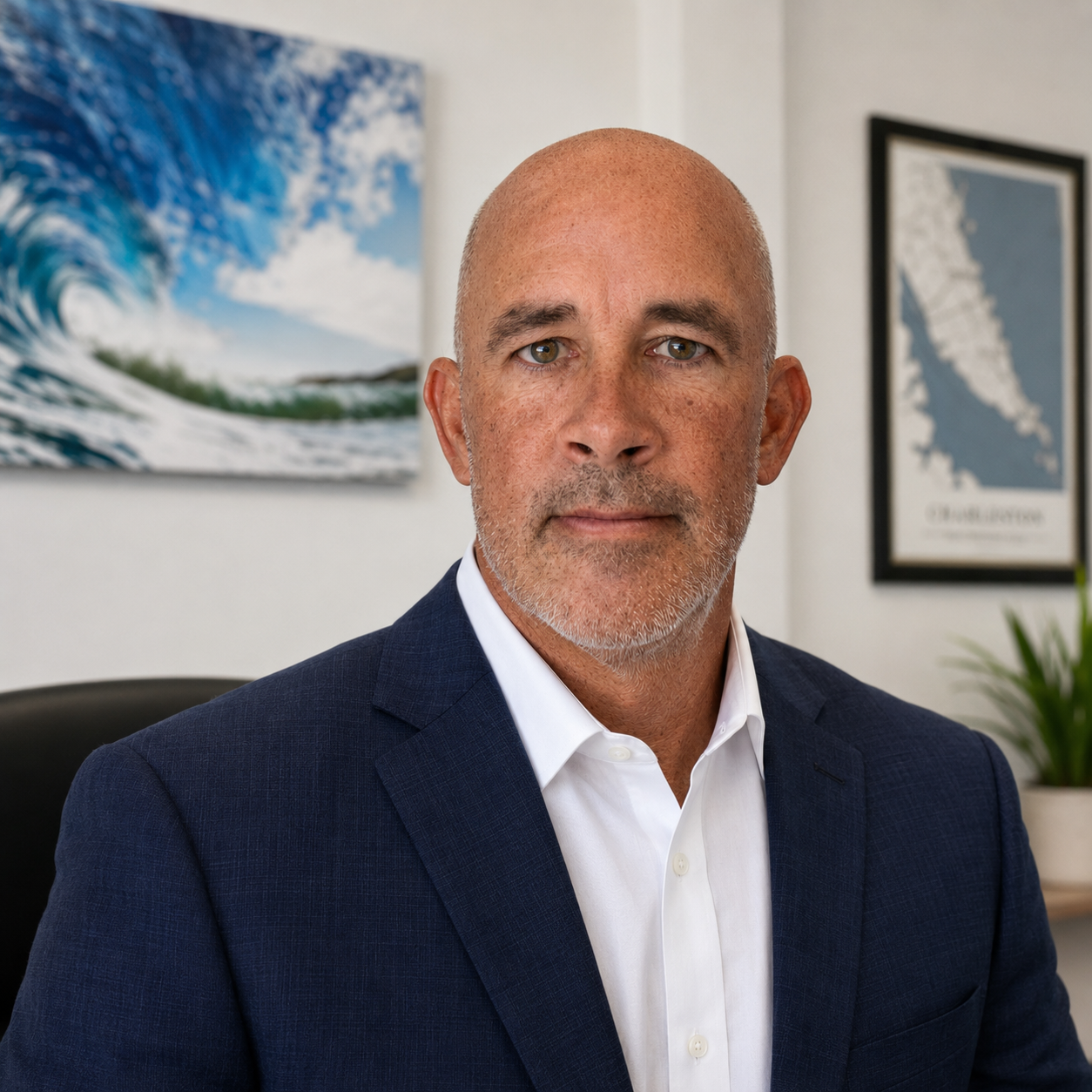
John Cosgrove
Owner & Principal Insurance Advisor · Licensed Property & Casualty Insurance Agent, South Carolina — License #446274
John Cosgrove is the Owner & Principal Insurance Advisor at Coastal Insurance Brokers, an independent insurance agency serving Mount Pleasant, Charleston, North Myrtle Beach, and communities throughout South Carolina's coast. A licensed South Carolina Property & Casualty agent since 2009 (License #446274), John also holds a South Carolina surplus lines broker license, giving the agency access to specialty wind and coastal property markets standard carriers often decline.
Reviewed by John Cosgrove. Last Updated: July 15, 2026
Flood & Hurricane Insurance FAQ
Straight answers to the questions we hear most from South Carolina coast homeowners and business owners.
What's the difference between NFIP and private flood insurance?
NFIP is a federally backed program available nationwide with standard limits of $250,000 for your home's structure and $100,000 for contents. Private carriers can offer higher limits, broader contents coverage, and sometimes better pricing for elevated homes. We shop both markets to find the better fit for your property.
How is my hurricane deductible different from my flood insurance deductible?
They're two separate deductibles on two separate policies. Your homeowners policy's hurricane or named-storm deductible applies to wind damage; your flood policy has its own deductible and applies only to flood and storm-surge damage, regardless of what caused it.
What is an elevation certificate, and do I need one?
An elevation certificate documents your home's lowest floor elevation relative to the base flood elevation in your area, and it's often the single biggest factor in your flood insurance rate. It's typically required for homes in high-risk flood zones and can lead to significant savings if your home sits above the base flood elevation.

Get a Quote
*By filling out this form, I authorize Coastal Insurance Brokers to communicate with me via text messaging.
Independent. Local. On Your Side.
We Compare 25+ Insurance Companies So You Don’t Have To
We don’t work for an insurance company. We work for you — with local Charleston coastal expertise and honest advice, not a sales quota.
- 25+ Carriers, One Agent — We shop your policy across more than 25 insurance companies to find the right fit, not just the first quote.
- Independent Advice, Not a Sales Quota — We’re not paid more to sell you any one company’s policy.
- NFIP + Private Flood Markets — We work both the NFIP and private flood markets, and know how elevation certificates and flood zones affect your rate.
- Real Help With Claims — We help you navigate the claim, not just the sale.
- Reviewed Every Year — Re-shopped at renewal so you’re never quietly overpaying.
We don’t work for an insurance company. We work for you.
Related Blog Posts
Check out our Insurance Blog for more information about Flood and Hurricane Insurance in SC Coastal Areas.

Moving to Cainhoy, SC: A Buyer and New Arrival Insurance Guide
Cruising the Lowcountry? Why Every Mt Pleasant Rider Needs Motorcycle Insurance
Do You Really Need Golf Cart Insurance? A Coastal SC Guide to Flood, Wind & Liability
Drive Confidently in Mt Pleasant: Low-Cost Auto Insurance Built for the Coast
Not sure what flood or hurricane insurance coverage you need?
Our professional agents can provide a consultation to make sure you're properly covered from a variety of risks, while still fitting your budget. Call us today at (843) 471-2621 to discuss your insurance needs.
Charleston homeowner? Read our in-depth Charleston Flood Insurance guide for NFIP county stats and named carrier options.