
Call (843) 471-2621Request a Confidential Consultation
★ 4.9/5 from 141+ Google Reviews
Combined Team Experience
Google Reviews
Licensed Broker
Direct Appointments
A Different Approach to Insuring Substantial Coastal Property
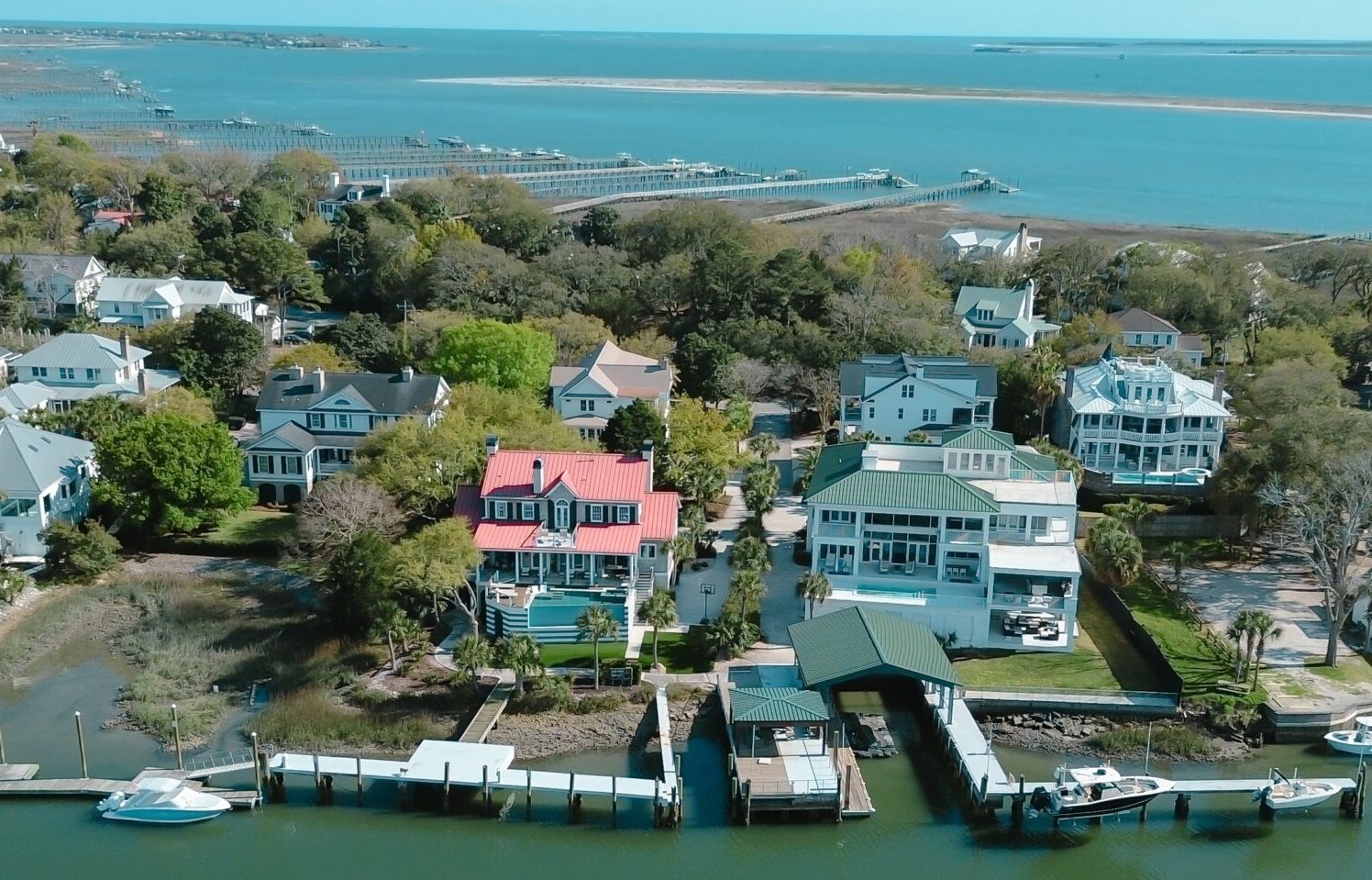
From waterfront estates in Mount Pleasant’s Old Village, I’On, and Hobcaw, to Daniel Island’s waterfront section, Isle of Palms, Sullivan’s Island, Wild Dunes, Kiawah Island, and Seabrook Island, premium coastal South Carolina real estate carry a level of complexity that standard homeowners underwriting was never designed to handle — elevated rebuild costs, architectural detail that’s expensive to replicate, ownership structured through a trust or LLC, and exposure that goes well beyond what a typical policy contemplates. This isn’t about buying “more” insurance. It’s about working with someone who understands the market well enough to place it correctly the first time.
When Standard Homeowners Insurance Isn’t Enough
| Coverage Element | Standard Homeowners Policy | High-Value Coastal Policy |
|---|---|---|
| Replacement Cost | Generic per-square-foot estimate | Reflects true custom-construction rebuild cost |
| Valuables & Collectibles | Low built-in sublimits | Scheduled, agreed-value coverage |
| Ownership Structure | Assumes individual ownership | Recognizes trusts, LLCs, estate structures |
| Flood Coverage | Capped at NFIP limits | Excess flood above NFIP caps |
| Docks & Watercraft | Separate, uncoordinated policies | Coordinated under one program |
| Carrier Access | Standard, admitted carriers only | Specialty & E&S markets, $2M+ capacity |
Why Standard Carriers Often Fall Short
Many standard carriers cap dwelling coverage or decline coastal waterfront properties outright, particularly homes with elevated rebuild costs, custom finishes, or construction types outside their underwriting appetite. As a South Carolina-licensed surplus lines broker, we place coverage with specialty and excess-and-surplus (E&S) markets built specifically for this risk profile — carriers most agencies simply don’t have access to.
Call (843) 471-2621Start a Coverage Review
What a Properly Structured High-Value Policy Actually Includes
Guaranteed or extended replacement cost that reflects true rebuild costs for custom architecture, not a generic per-square-foot estimate. Coverage terms that recognize ownership held in a trust, LLC, or other estate-planning structure, rather than assuming a single personal owner. Scheduled coverage for fine art, jewelry, wine collections, and other valuables, with agreed-value terms rather than the low sublimits built into standard policies. Coordinated coverage across docks, boathouses, and watercraft, so a single storm doesn’t create three separate claims with three different adjusters. Excess flood limits above NFIP’s caps for properties where true rebuild cost far exceeds standard flood coverage.
Real Access to the Markets That Actually Write This Business
Capacity for dwelling coverage of $2 million and above is available through our carrier relationships — a genuine test of whether an agency can actually place this risk, not just talk about it. Through our MGA and wholesale relationships, we access specialty and Lloyd’s markets including Chubb, Lloyd’s of London, Berkshire Hathaway Specialty Insurance, Markel, Motion Specialty, Benchmark, Vave, and Beazley. We also hold direct appointments with coastal specialty carriers Slide, Occidental Fire & Casualty, Orion180, and American Integrity. That combination — elite E&S markets plus direct coastal specialty appointments — is what makes a $2M+ waterfront property genuinely placeable, not just theoretically insurable.
Our team brings 99 combined years of South Carolina insurance experience to every high-value coverage review. Meet our licensed agents.
Hurricane Deductibles Work Differently at This Level
On a multi-million dollar coastal property, a percentage-based hurricane deductible has real financial weight, and the structure of that deductible — what triggers it, whether it’s negotiable, how it interacts with excess layers — deserves an actual conversation, not a boilerplate disclosure. We walk through exactly how your deductible would apply before you’re deciding under pressure after a storm.
Frequently Asked Questions
How is replacement cost calculated for a custom or architecturally unique home? Standard per-square-foot estimators don’t account for custom millwork, imported materials, or specialized construction. We work with carriers that underwrite based on actual rebuild specifications, not a generic formula.
Can my policy cover fine art, jewelry, or a wine collection separately from dwelling coverage? Yes — scheduled personal property coverage can insure these at agreed value, independent of your home’s dwelling limit, which matters since standard policies cap categories like jewelry and fine art far below their real worth.
My property is held in a trust or LLC, not my personal name. Does that complicate coverage? It requires the right carrier and the right policy language, but it’s a routine part of insuring high-value coastal property. We structure the policy to match how the property is actually owned.
Do I need excess flood coverage beyond NFIP limits? For most coastal properties above roughly $1–2 million in rebuild value, NFIP’s coverage caps alone leave a meaningful gap. We typically pair a base flood policy with excess or private flood coverage sized to your property’s actual value.
Can one carrier cover my primary residence, a second coastal property, and my boat together? Often yes, through a coordinated high-value program — which can simplify claims handling and, in some cases, improve overall pricing versus separate standalone policies.
What underwriting information will a specialty carrier ask for that a standard carrier wouldn’t? Expect more detailed questions on construction specifications, prior claims history, and protective measures (elevation, hurricane straps, impact windows) — the tradeoff for access to markets that will actually write the risk.
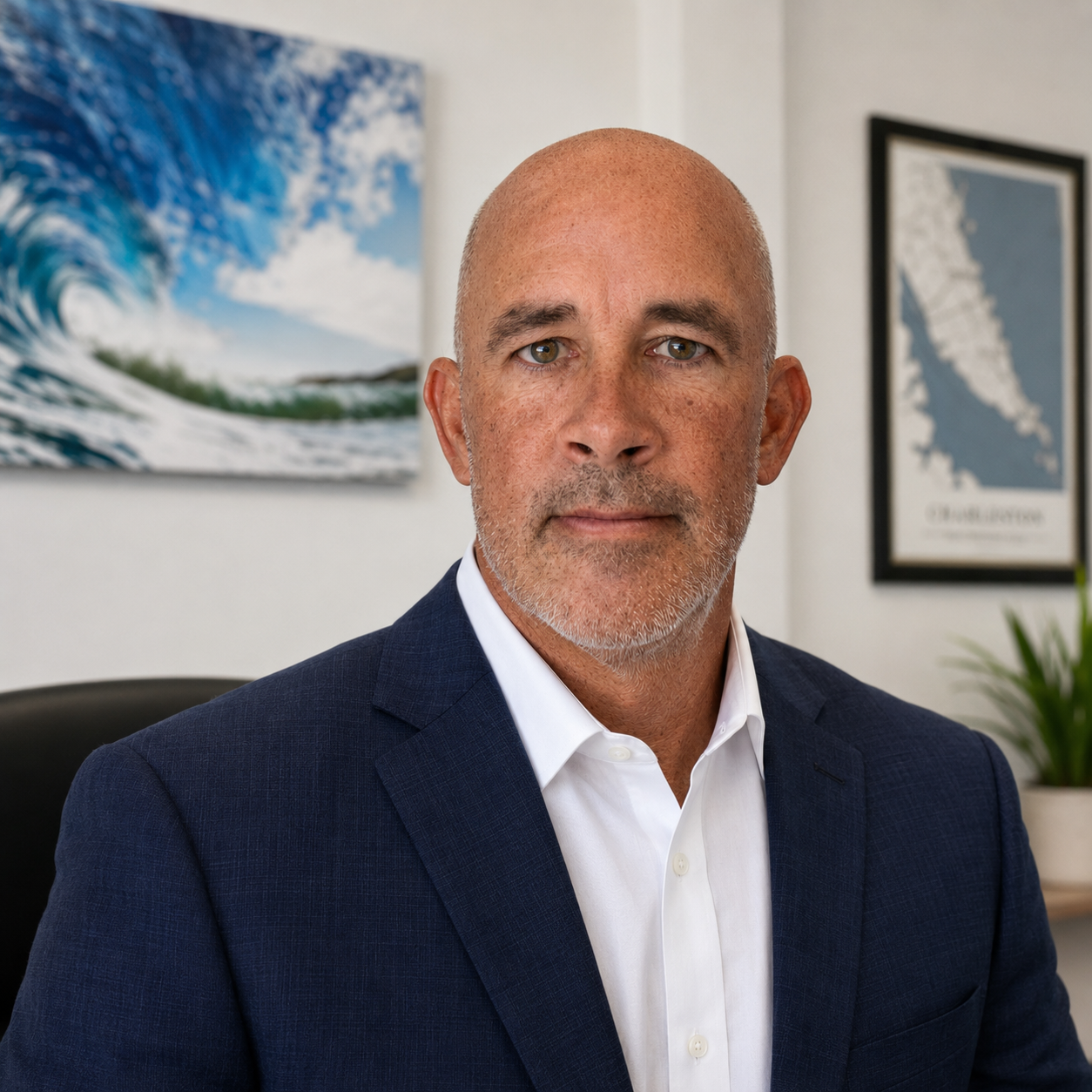
John Cosgrove
Owner & Principal Insurance Advisor · Licensed Property & Casualty Insurance Agent, South Carolina — License #446274
John Cosgrove is the Owner & Principal Insurance Advisor at Coastal Insurance Brokers, an independent insurance agency serving Mount Pleasant, Charleston, North Myrtle Beach, and communities throughout South Carolina’s coast. A licensed South Carolina Property & Casualty agent since 2009 (License #446274), John also holds a South Carolina surplus lines broker license, giving the agency access to the specialty and excess-and-surplus markets that high-value coastal properties often require.
Reviewed by John Cosgrove. Last Updated: July 15, 2026
John Cosgrove
Owner & Principal Insurance Advisor · Licensed Property & Casualty Insurance Agent, South Carolina — License #446274
John Cosgrove is the Owner & Principal Insurance Advisor at Coastal Insurance Brokers, an independent insurance agency serving Mount Pleasant, Charleston, North Myrtle Beach, and communities throughout South Carolina’s coast. A licensed South Carolina Property & Casualty agent since 2009 (License #446274), John also holds a South Carolina surplus lines broker license, giving the agency access to the specialty and excess-and-surplus markets that high-value coastal properties often require.
Reviewed by John Cosgrove. Last Updated: July 15, 2026
Related Coverage
Home Insurance · Flood Insurance · Mount Pleasant · Charleston
Ready for a Coverage Review Built Around Your Property?
Speak directly with a South Carolina-licensed surplus lines broker — not a call center, not a generic quote engine.
Call (843) 471-2621
Request a Quote
Start Your Coastal Home Quote
Tell us about the property and we’ll begin the market search.
If you are buying rather than insuring a home you already own, see our guide to buying a beach house in South Carolina, part of our guide to owning coastal property.
25+ Carriers Compared — Including These Trusted Partners




























Insuring an older high-value home in Mount Pleasant? See our neighborhood guide to home insurance for Old Village.